Considering a homesite tucked off the street with a long private drive? Flagpole lots can deliver quiet, seclusion, and big views, but they also come with unique access, maintenance, and valuation questions. If you focus on luxury and golf communities around Heber City, you need clear answers before you buy or sell.
In this guide, you’ll learn exactly what a flagpole lot is, the tradeoffs that matter in Wasatch County, how appraisers look at these sites, and the due diligence steps that protect your investment. Let’s dive in.
What a flagpole lot means
A flagpole or panhandle lot has a narrow strip of land that connects the road to a larger building area set back from the street. Think of the access strip as the pole and the main pad as the flag. Some lots have one private drive, while others include shared or double-sided access.
Key implications for you:
- Legal access must be recorded through a driveway, right-of-way, or easement. The documents define who maintains what.
- Usable frontage is limited, which can influence utility runs, driveway design, and how appraisers adjust for lot shape.
- The access strip consumes acreage. That reduces the effective buildable area and usable yard on the main pad.
- Utilities often run along the driveway. Recorded easements can limit where you place improvements and landscaping.
Privacy and lifestyle benefits
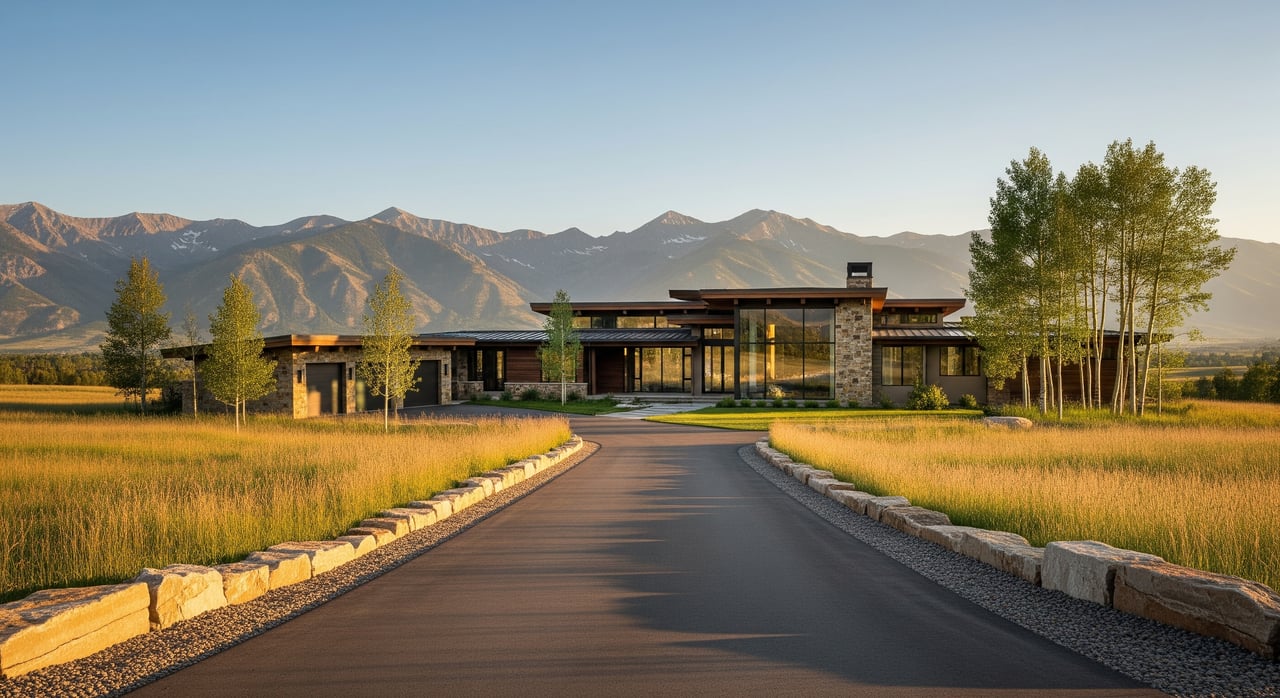
One of the biggest upsides is privacy. A longer or curved drive reduces visibility from the street and softens road noise. In luxury and golf communities around Heber City, that quiet, estate-like approach can feel special.
View corridors and arrival experience
If the driveway climbs to a ridge or bench, you may gain elevated views. A well-planned arrival sequence can frame mountain or fairway vistas. Just confirm the flag portion is large enough for the orientation you want, and that CC&Rs allow the driveway alignment and gate style you prefer.
Costs and maintenance you should expect
Flagpole access makes day-to-day operations more involved. Plan ahead so surprises do not undercut your budget.
- Road and drive surface: Private drives often fall on the owner or HOA to maintain. Expect periodic patching, sealing, and drainage work. Review CC&Rs and any recorded agreements so you know the cost allocation.
- Snow and ice: Heber Valley winters make snow storage, plow access, and turnarounds essential. Steeper grades and tight curves can require more frequent plowing or engineered solutions like heated sections or retaining walls.
- Utilities and services: Longer trenches for water, sewer or septic, gas, power, and telecom increase installation and repair complexity. Confirm whether the access strip is within required utility easements and whether providers will service long private runs.
Winter operations in Wasatch County
Snow and freeze-thaw cycles affect drive materials and drainage. Plan for:
- Adequate turnouts and a plow-friendly turnaround.
- Snow storage areas off the drive, away from structures and utilities.
- Surface choices and drainage details that handle spring melt without erosion.
Safety and emergency access
Local fire authorities use standards based on the International Fire Code for driveway width, grade, surface, and turnaround radius. If your access does not meet those requirements, you may need to upgrade before you receive a certificate of occupancy. If you plan a gated entry, verify the required emergency access hardware and procedures with the local fire district.
Site engineering and buildability
A long, narrow approach changes the engineering scope:
- Drainage and stormwater: Culverts, swales, and subgrade prep help control runoff, especially after spring snowmelt.
- Geotechnical concerns: Steep slopes or fill along the drive can trigger recommendations for retaining structures and subgrade improvements.
- Construction staging: Contractors need access for heavy equipment, materials, and trades. Tight poles can increase mobilization complexity and time.
How appraisers think about value
Appraisers start with highest and best use, then analyze market evidence and costs.
- Highest and best use: Shape, access, zoning, CC&Rs, and market demand guide how the lot’s optimal use is defined. A pole that limits subdivision potential can shift the property’s profile toward an estate homesite.
- Comparable-sales approach: In luxury and golf communities, appraisers seek sales of similar lots and adjust for access, shape, views, utilities, restrictions, and required improvements like driveway or retaining walls.
- Cost or allocation: When land sales are scarce, value may be inferred by subtracting estimated improvement costs from similar improved sales. This requires reliable local cost data.
What can lower value
- Excessive length or steepness in the drive that raises build costs and ongoing access risk.
- Ambiguous legal access or unrecorded easements.
- Easements that restrict building orientation or usable pad area.
- Non-compliance with emergency access standards that require mitigation.
What can increase value
- Strong privacy and separation from road noise.
- Exceptional views or orientation available on the flag portion.
- A large, well-shaped building pad even with a narrow approach.
- Community amenities and design controls that protect views and privacy.
In parts of Wasatch County where buyers prize privacy and space, well-sited flagpole lots can command near-equal pricing to conventional sites if their access is convenient and documented costs are managed. In lower-volume luxury submarkets, fewer direct comps increase both appraisal subjectivity and your negotiation leverage.
Buyer due diligence checklist
Gather these items early to reduce risk and inform pricing:
- Recorded plat, legal description, and all ingress/egress and utility easements.
- Title report exceptions related to access, utilities, and drainage.
- Zoning, setbacks, building envelope, and lot coverage limits.
- Driveway and approach permits and any past approvals for culverts, grading, or retaining walls.
- Fire district access standards, including width, grade, surface, turnaround, and gate requirements.
- Topographic survey with grades, pole dimensions, and buildable flag area.
- Geotechnical report if slopes or fill are present.
- Drainage and snow-storage plan.
- Utility as-builts or provider confirmations on service, capacity, and any required extensions or vaults.
- HOA documents: CC&Rs, design guidelines, architectural review timelines, road maintenance rules, snow removal procedures, and assessment history.
- Contractor estimates for driveway construction or upgrades, including paving, walls, and drainage.
- Annual estimates for snow removal or HOA road assessments.
Seller playbook to maximize value
Position your flagpole lot with clarity and confidence:
- Provide a current title report, recorded plat, and all easements to buyers.
- Upgrade visible access elements where reasonable. Quality surfacing, drainage, and a well-designed gate aligned with community standards reduce perceived “cost to cure.”
- Disclose who maintains the drive and how snow removal is handled. Share vendor contracts or HOA policies to remove uncertainty.
- Commission a topographic/site plan and obtain cost estimates for driveway and utility work so buyers and appraisers can quantify the delta.
- Market the privacy, views, and proximity to community amenities while being transparent about maintenance obligations.
Red Ledges and similar luxury communities
Gated golf communities often have robust CC&Rs and design review processes that shape your plan and budget.
- Design and access: Guidelines can dictate driveway alignment, slopes, materials, guest parking, and gate design. Early design team coordination saves time.
- Road and services: Confirm whether the HOA or a road association maintains private roads and how snow removal is scheduled and billed.
- Golf adjacency: If the flag backs to a hole, verify play easements, building setbacks from fairways, and any risk-mitigation standards for windows or screening.
Pricing and negotiation tips
- For buyers: Use hard numbers. Bring estimates for driveway, drainage, utilities, and any fire-access upgrades to the table. Where comps are thin, documented costs and market interviews help justify adjustments.
- For sellers: Reduce uncertainty. The more you solve and disclose upfront, the smaller the buyer’s discount for perceived risk. Highlight what makes your site rare, such as ridge views, large effective pad, and quiet orientation.
- For both: Ask the appraiser how they treated the pole, what comps they used, and how they quantified functional utility and cost to cure. Alignment on these points smooths underwriting and keeps deals on track.
The bottom line
Flagpole lots in Heber City can offer a compelling blend of privacy, views, and community access. The tradeoff is maintenance, winter operations, and a need for precise planning. If you document legal access, plan for utilities and snow, and align with fire and HOA standards, you can capture value without surprises.
For discreet guidance or a referral to trusted local specialists in Heber City’s luxury and golf communities, connect with Cindy Corbin. You will get high-touch support and seasoned perspective tailored to premium homesites and custom builds.
FAQs
What is a flagpole lot in residential real estate?
- A flagpole lot has a narrow access strip from the road to a larger building pad set back from the street, which affects privacy, utilities, and buildable area.
Do flagpole lots sell for less in Heber City and Wasatch County?
- Not always. If the site delivers strong privacy, views, and manageable access costs, pricing can approach conventional lots in luxury communities.
Who maintains the long driveway on a flagpole lot?
- Maintenance can be the owner, a road association, or the HOA. Check CC&Rs and recorded agreements to confirm responsibility and cost.
How do winters in Heber Valley impact a long private drive?
- Expect ongoing snow removal, planned snow storage, and possibly heated sections or retaining walls where grades and curves make plowing difficult.
Will lenders or appraisers penalize a flagpole lot purchase?
- They focus on legal access, utility service, and marketability. If standards are met, value is based on market evidence with adjustments for extra costs.
What should I ask the HOA before buying in a golf community?
- Ask about road and snow-removal policies, assessment history, design guidelines for driveway and gates, and construction staging rules for custom builds.