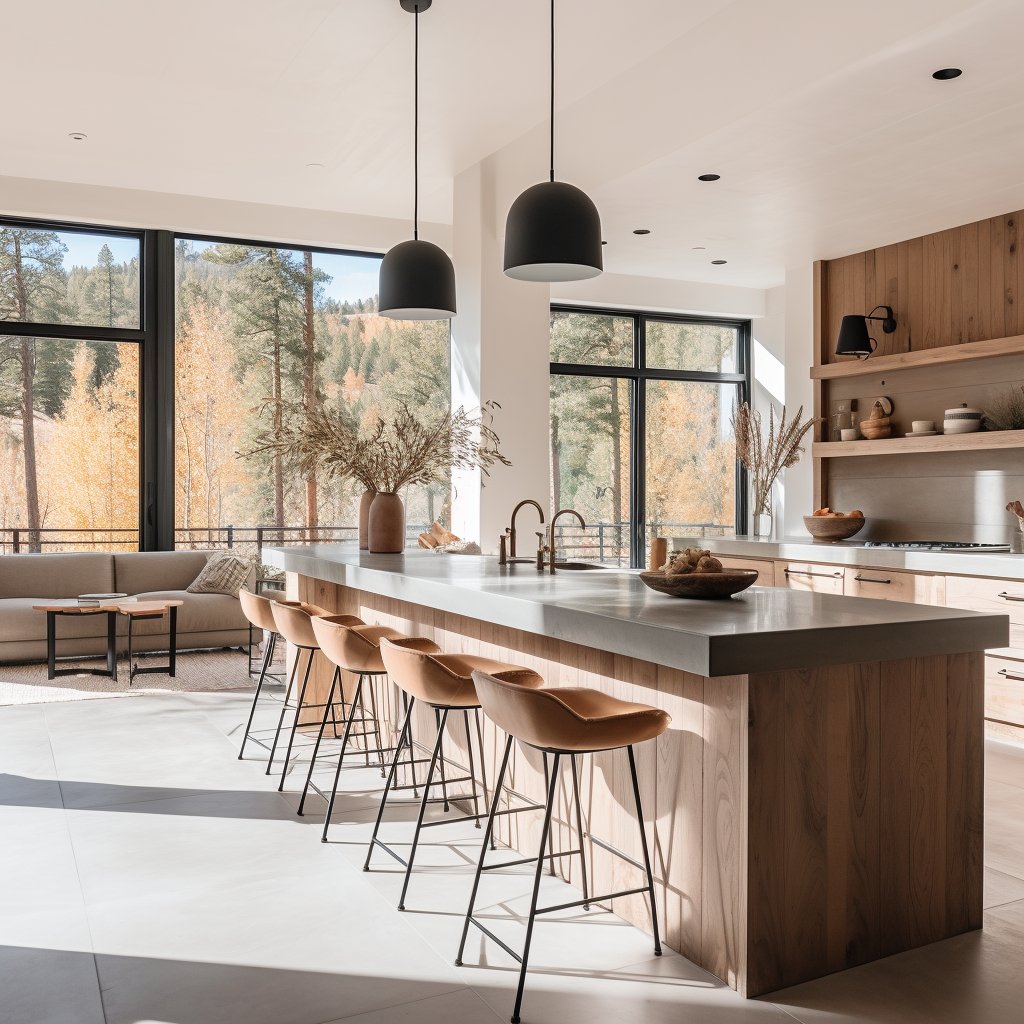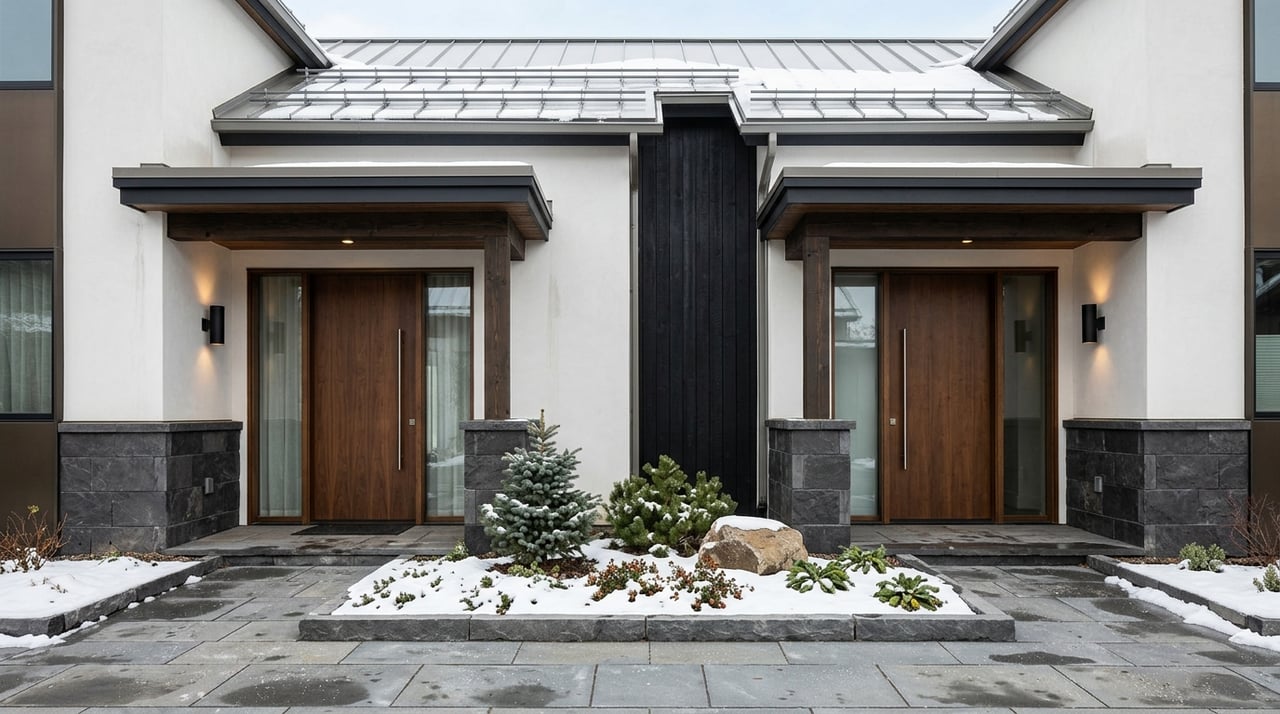
If you want a place in Upper Deer Valley, the real decision often is not whether you can get close to the mountain. It is how you want to own there. You may be weighing easy lock-and-leave convenience against privacy, space, and control, and that choice can shape your experience just as much as the address itself. This guide breaks down how condos, townhomes, and homes compare in Upper Deer Valley so you can make a clearer, more confident decision. Let’s dive in.
Why property type matters
In Upper Deer Valley, buyers often focus first on ski access, village proximity, and seasonal use. That makes sense, especially in areas tied to Silver Lake and Empire Pass, where Deer Valley describes a mix of condominium, hotel-style, and private-home options.
The key point is that strong mountain access is not limited to one property type. In other words, you may be able to find ski-in/ski-out access, village convenience, or shuttle-supported ease in more than one ownership format.
Upper Deer Valley access in context
Deer Valley describes Silver Lake as a mid-mountain area with condominium and hotel accommodations, including ski-in/ski-out options and several properties within walking distance of the village. The area connects to a broad lift network that includes Sterling, Wasatch, Sultan, Silver Lake Express, Quincy, and Red Cloud.
Empire Pass is described as higher on the mountain and more secluded. Deer Valley notes that many Empire Pass properties are ski-in/ski-out, with access tied to lifts such as Northside Express, Silver Strike Express, Ruby Express, Empire Express, and Lady Morgan Express.
Some resort-managed residences in these areas also include shuttle service and year-round public transit access. That can narrow the practical difference between a true walk-to-lift property and one that sits a bit farther from the base of daily activity.
What you actually own matters
Before you compare lifestyle benefits, start with the legal structure. Utah’s HOA homebuyer guidance makes a simple but important point: what you own, and what the association owns or maintains, depends on the deed and governing documents rather than the marketing label on the listing.
That matters because two properties that seem similar online may come with very different ownership responsibilities. It also matters financially, since areas maintained by the HOA are still paid for by owners through dues and, in some cases, special assessments.
Condo ownership basics
Under Utah guidance, a condo owner typically owns the interior of the unit, often described as owning “from the paint in.” The HOA usually maintains the building structure, exterior walls, roof, hallways, elevators, and shared amenities such as lobbies or pools.
Balconies and patios may be limited common areas, which means the association owns them but only the unit owner can use them. For many buyers, that makes condos the lowest exterior-maintenance option and the most shared-space form of ownership.
Townhome ownership basics
Townhomes usually sit in the middle. Utah guidance says buyers often own the full structure and sometimes a small private yard or patio, while the HOA may maintain the exterior, roof, streets, sidewalks, and shared landscaping.
You may also share party walls, and in some cases parts of the roof structure. That tends to create a more house-like feel than a condo while still outsourcing part of the maintenance load.
Single-family home ownership basics
With a single-family home, Utah guidance says the owner typically owns both the house and the land. That often includes the front and back yard, driveway, fence, roof, siding, and major systems.
Even so, buyers should verify the exact boundaries of ownership and maintenance. Some exterior areas can appear private while still falling under HOA control or association maintenance.
How condos and homes differ day to day
The biggest practical differences usually show up in maintenance, privacy, and how you plan to use the property. In Upper Deer Valley, those trade-offs can matter more than whether a property is simply “close to skiing.”
Maintenance and lock-and-leave ease
If you want a simpler ownership experience, condos often stand out first. Because the HOA usually handles the building exterior and common systems, condos typically carry the lightest day-to-day exterior responsibility.
Townhomes often split that burden more evenly. Single-family homes usually offer the most control, but they also place the broadest maintenance obligations on you.
For second-home buyers or owners who may not be in residence year-round, that difference can be especially important. Many buyers prefer a property type that fits a more flexible, low-friction ownership pattern.
Privacy and separation
Privacy usually tracks with the ownership structure. Condos often involve more shared walls, common entries, hallways, and amenity areas.
Townhomes usually provide more separation than condos, but they still may involve party walls and shared exterior systems. Single-family homes generally offer the greatest physical separation because you control the house and land.
If you picture quiet evenings, family gatherings, or a more self-contained retreat, that added separation may be worth the added upkeep. For some buyers, that is the deciding factor.
Access versus convenience
One common assumption is that the most convenient mountain access always means condo living. In Upper Deer Valley, that is not necessarily true, but condos and lodge-style residences do make up much of the strongest proximity inventory in areas like Silver Lake and Empire Pass.
That said, it helps to separate three different value points when you compare listings:
- Ski-in/ski-out access
- Walkability to village amenities
- Shuttle or public transit support
These features may overlap, but they are not the same thing. A property without immediate lift-side positioning may still offer an easy ownership experience if resort shuttle service or year-round transit is part of the package.
How to think about rental use
If rental income matters to you, do not start with the assumption that one property type is automatically better. Start with whether the property can legally and practically be used the way you intend.
Park City states that anyone offering lodging for a fee for periods of less than 30 days must obtain a Nightly Rental License, if the property is allowed by zoning. The city also requires a Utah state sales tax ID and completion of inspection and approval steps, and it says applications generally take 15 to 30 days to approve.
That is only one layer of the analysis. Utah HOA guidance also makes clear that owner rights and restrictions vary by association, so rental potential is property-specific.
Before you treat any Upper Deer Valley property as an income asset, review the deed, CC&Rs, and any HOA rental rules. In some cases, resort-managed residences may also offer guest-facing services such as shuttle access, which can be relevant if rental use is part of your plan.
Which option fits your goals?
The best choice usually comes down to how you want the property to function in your life. A clear use strategy can make the decision much easier.
A condo may fit if you want simplicity
A condo may be the strongest fit if your priority is convenience, shared amenities, and lower exterior maintenance. It can work well if you want a lock-and-leave residence and place a premium on easy access to lifts, village activity, or resort services.
It may also suit buyers who value structure and predictability in ownership responsibilities. Just be sure you understand exactly what the HOA covers and what your dues support.
A townhome may fit if you want balance
A townhome may be appealing if you want a more residential feel without taking on the full burden of a detached home. It often gives you more privacy and a more traditional layout while still preserving some HOA support.
For many buyers, that creates a useful middle ground. You get more independence than a condo, but often with less operational complexity than a house.
A single-family home may fit if you want control
A single-family home may be the better choice if privacy, space, and owner control sit at the top of your list. You may also prefer this route if you want more separation from shared amenities and common areas.
That said, greater control usually comes with greater responsibility. You will want to be comfortable with the maintenance demands and verify whether any visible outdoor areas are truly part of your ownership.
Due diligence before you decide
No matter which direction you lean, a few checks can help you avoid surprises.
- Confirm the legal ownership structure in the deed and CC&Rs rather than relying on the listing label alone.
- Compare HOA dues with the level of maintenance and services being handled by the association.
- Verify whether nightly rental use is allowed by zoning, HOA rules, and Park City licensing requirements.
- Evaluate ski-in/ski-out access, village walkability, and shuttle service as separate features rather than assuming they always come together.
Final thoughts on choosing in Upper Deer Valley
In Upper Deer Valley, the choice between a condo and a home is really a choice about lifestyle, responsibility, and flexibility. Condos usually lean toward convenience and lower exterior maintenance. Homes usually lean toward privacy and control. Townhomes often sit between the two.
Because Silver Lake and Empire Pass already offer strong access to lifts, village services, and in some cases shuttle or transit support, your decision often comes down to how you want ownership to feel once you arrive. If you want experienced, discreet guidance as you compare options across resort markets, Cindy Corbin can help you navigate the details with clarity and care.
FAQs
What is the main difference between condos and homes in Upper Deer Valley?
- The main difference is usually the ownership structure and maintenance responsibility. Condos typically offer lower exterior-maintenance burdens and more shared spaces, while single-family homes generally provide more privacy, land, and owner control.
Are condos in Upper Deer Valley usually closer to the lifts?
- Many of Upper Deer Valley’s best-access properties are in condominium and lodge-style inventory, especially around Silver Lake and Empire Pass, but ski access is not limited to one property type.
What should you verify before buying a condo in Upper Deer Valley?
- You should verify what you legally own, what the HOA maintains, what the dues cover, and whether balconies, patios, parking, or other spaces are private property or limited common areas.
Can you use an Upper Deer Valley property as a nightly rental?
- Nightly rental use depends on zoning, HOA rules, and Park City licensing requirements. For rentals of less than 30 days offered for a fee, Park City says a Nightly Rental License is required if the property is allowed by zoning.
Is a townhome in Upper Deer Valley a good middle-ground option?
- In many cases, yes. Townhomes often provide a more house-like feel than condos while still offering some HOA-managed exterior maintenance and shared infrastructure.
How do you compare walkability and shuttle access in Upper Deer Valley?
- It helps to treat walkability, ski-in/ski-out access, and shuttle or transit service as separate value points. A property may be strong in one area without offering all three.