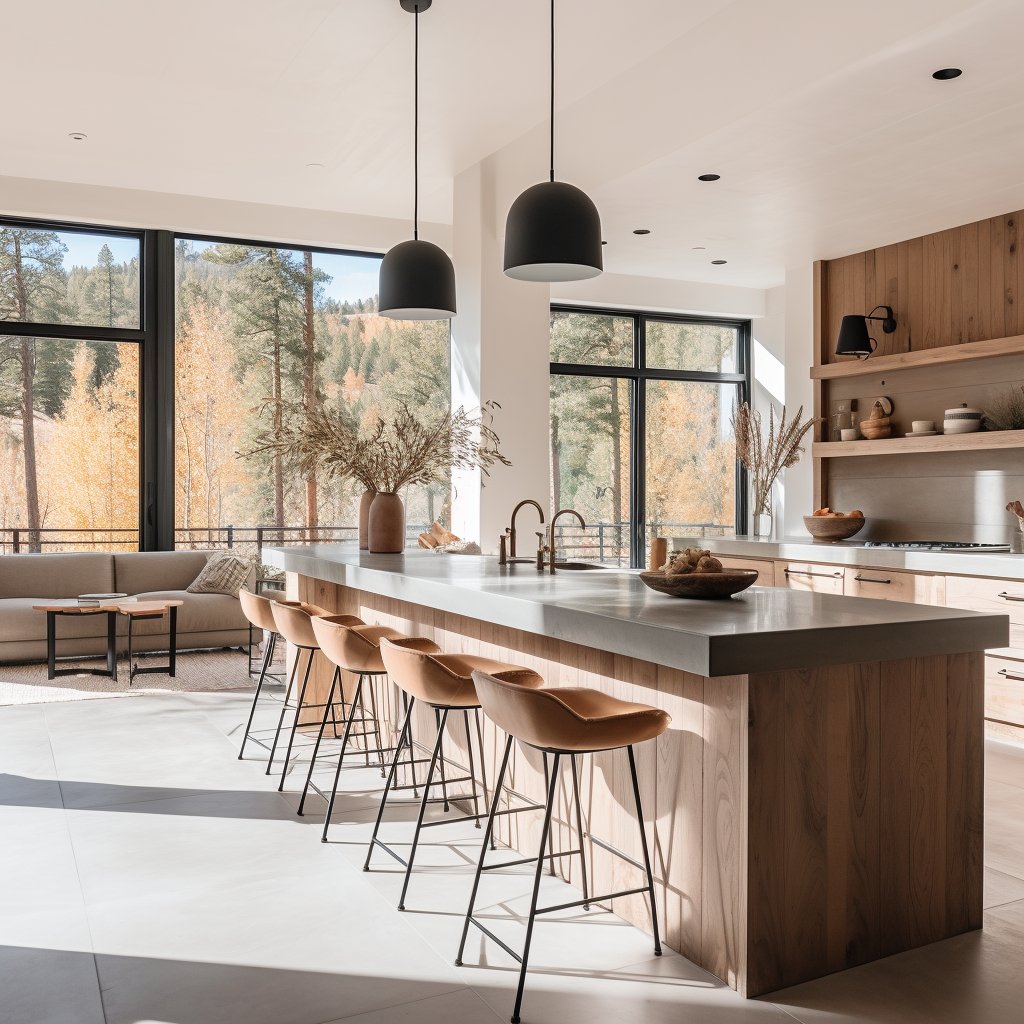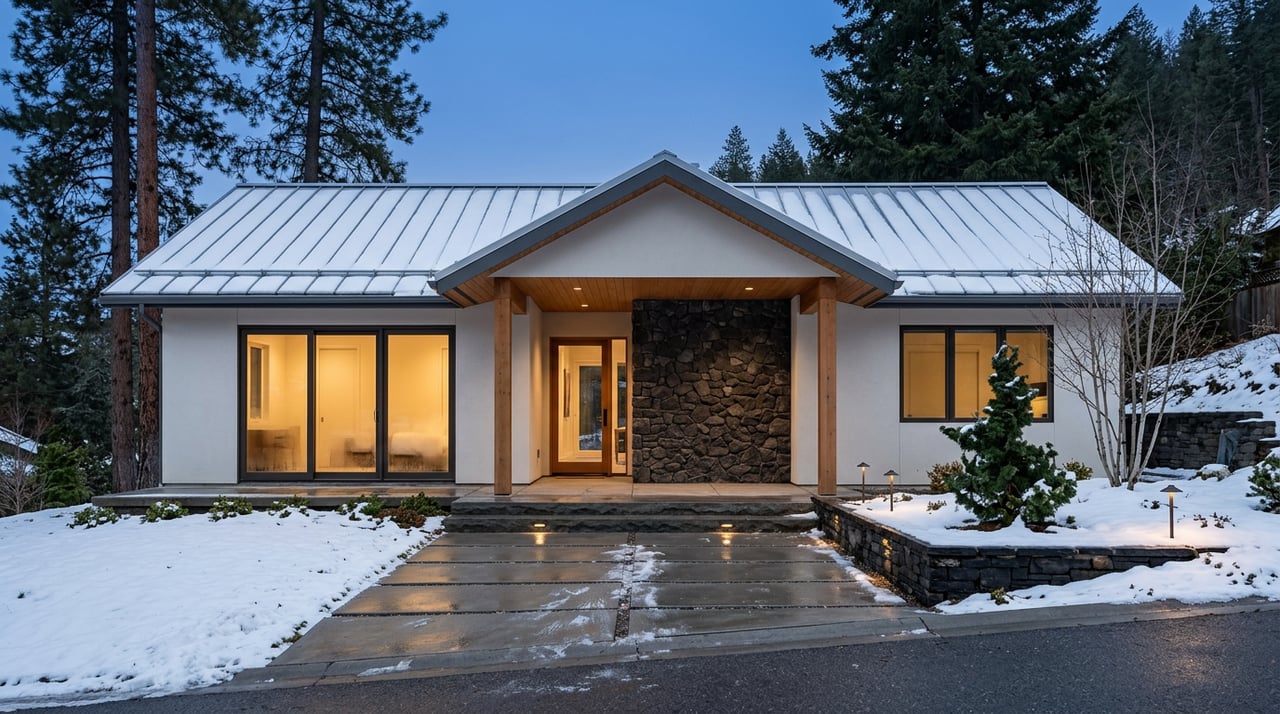
Craving a true mountain escape without giving up the Salt Lake City lifestyle? If you are weighing a cozy canyon cabin against a resort condo or an in‑town home, Big Cottonwood Canyon offers a rare mix of alpine scenery, lift access, and quick valley reach. The flip side is real: seasonal road closures, layered regulations, and unique ownership types. In this guide, you will learn what you can buy, how access and utilities really work, what rules shape rentals and remodels, and a practical checklist to buy with confidence. Let’s dive in.
Big Cottonwood at a glance
Big Cottonwood Canyon sits in the Wasatch Range southeast of Salt Lake City, within Salt Lake County and the Town of Brighton at the upper end. Much of the upper canyon is national forest, which means private property is limited and closely managed. The canyon also protects a major municipal watershed, so improvements often involve extra reviews and permits across agencies.
Expect this mix to influence your purchase. Whether you buy a private cabin, a condo in Solitude Village, or a Forest Service recreation residence will shape how you access utilities, what you can remodel, and if you can rent.
What you can buy
Private cabins and homes
You will find single‑family homes and cabins on private lots, often on wooded, sloped terrain. Ownership is straightforward fee title to the land and improvements. You are subject to town and county zoning and building codes, including steep‑slope and stream‑setback standards guided by the Wasatch Canyons General Plan. Review the plan’s development framework to set expectations for additions or new work.
Resort‑village condos and townhomes
Solitude Village and small clusters near Brighton offer condominium or townhome ownership. These communities generally include managed services and access to culinary water and sewer. The tradeoff is density and HOA dues in exchange for easier walkability to lifts, managed parking, and turn‑key maintenance. For arrival and parking norms, review the resort’s published guidance on getting to Solitude and parking.
USFS recreation residences
Forest Service recreation residences are a distinct category. You own the cabin, not the land. The structure sits on a USFS lot under a long‑term special‑use permit. Permits restrict rebuilding, additions, and commercial use. Short‑term rentals are generally prohibited. Before you commit, review the Recreation Residence program overview and study the permit guidance and restrictions. Confirm the permit is in good standing and transferable, and request the full permit file from the seller.
Resale and rental outlook
Inventory is limited, and buyer pools vary by micro‑area. Resort‑village condos often see different demand and liquidity than secluded cabins. If you plan for rental income, verify the exact rules that apply to your specific property type, including permit language, town or county licensing, HOA rules, and utility requirements.
Access and seasonality
Roads and closures
The main route is State Route 190. Guardsman Pass toward Park City is seasonal and typically closed in winter, so do not plan on that as a daily winter route. Check UDOT’s seasonal roads for timing each year. In winter, avalanche control can temporarily close the canyon. Morning mitigation windows affect resident travel, deliveries, and ski access. Follow active notices at UDOT’s Cottonwood Canyons road status.
Parking, reservations, and guests
To manage congestion, the Town of Brighton and the resorts use paid or reservation‑based parking, especially on weekends and holidays. Roadside parking is regulated. If you expect frequent drive‑up guests on busy days, plan ahead. Review current rules on Brighton’s parking and winter travel page and the resort guidance linked above.
Ownership realities that affect cost and comfort
Water, sewer, wells, and septic
Parts of the canyon have culinary water and sewer, particularly near resort villages. Many cabin areas rely on private wells or springs and septic systems. Because Big Cottonwood is a protected watershed, new or modified systems draw extra scrutiny. Learn the basics of protections and why approvals take time through watershed stewardship resources. Build contingencies for perc tests, well capacity, and health‑department approvals into your offer.
Snow loads, roofs, and driveways
Canyon homes live under deep snow. Local construction standards require specific snow‑load design and winter considerations. Expect steeper driveways, tight turns, plow planning, and on‑site snow storage. Ask your engineer or building department to confirm design criteria using the county’s codes and design guidance. Budget for seasonal plowing, roof clearing, ice management, and potential driveway upgrades.
Power, connectivity, and backups
Mountain infrastructure can be limited. Outages happen, and internet options may be fixed‑wireless or satellite in some areas. If you rely on remote work, confirm concrete provider availability and speeds, and consider backup power or dual‑path connectivity.
Wildfire risk and insurance
Big Cottonwood sits in a wildland‑urban interface. Local authorities issue seasonal fire restrictions based on conditions, and insurers are pricing wildfire risk carefully. Start quotes early, document defensible space, and note access improvements that may help underwriting. Check current notices on Brighton’s fire restrictions page and review local response context in the Unified Fire Authority’s Brighton community assessment.
Regulations that shape what you can do
Overlay zones and watershed protections
Salt Lake County’s Foothills and Canyons Overlay Zone and the Wasatch Canyons General Plan guide development in the canyon, including slope limits, stream setbacks, and vegetation standards. Before planning additions, tree work, or a new water or sewer project, review the county’s Wasatch Canyons General Plan and request copies of any existing approvals for the property.
Short‑term rentals and commercial use
Rules depend on where and what you own. Recreation residences typically prohibit commercial vacation rentals under the Forest Service permit. Private cabins and resort condos fall under town or county licensing and utility requirements, plus any HOA covenants. Always verify short‑term rental feasibility with the city or county and, if applicable, the Forest Service and your HOA. The Forest Service’s permit guidance explains why most recreation cabins cannot be used for routine short‑term rentals.
Canyon vs resort‑village vs in‑town
- Privacy and setting: A canyon retreat offers seclusion, forested lots, and immediate trail access. Resort‑village units offer walkability and services in exchange for more activity. In‑town homes trade some alpine immersion for year‑round convenience.
- Access and convenience: In‑town access is the most consistent. Canyon properties deliver scenery but come with winter closures, avalanche control windows, and parking rules. Resort condos often add managed parking and guest services.
- Maintenance and costs: Canyon ownership means more hands‑on winter care, septic or well upkeep, and wildfire mitigation. Resort condos shift many burdens to the HOA, with dues. In‑town homes benefit from municipal services.
- Rentals and income: Resort‑village lodging usually provides the clearest path to licensed short‑term rentals. Recreation residences and some private cabins have limited or prohibited STR potential. Confirm the exact rules before you underwrite income.
- Resale dynamics: Canyon inventory is scarce and specialized. Resort‑village and Park City segments often draw larger buyer pools. Your exit strategy should match the property’s access, amenities, and audience.
Buyer checklist for Big Cottonwood Canyon
Use this list as you tour properties and craft offers.
- Jurisdiction and title
- Is it fee‑simple private land, a condo, or a Forest Service recreation residence? Request the full USFS permit file if applicable and confirm transfer terms using the Recreation Residence program and permit guidance.
- Utilities and on‑site systems
- Is culinary water and sewer available, or will you rely on well/spring and septic? Build water and perc testing into contingencies and review watershed considerations via local stewardship resources.
- Access and seasonality
- Do you plan to use Guardsman Pass? It is seasonal. Confirm timing with UDOT’s seasonal roads and understand avalanche control windows at Cottonwood Canyons road status.
- Parking and guest logistics
- Will you or your guests rely on roadside parking or resort lots? Check Brighton’s parking and winter travel rules.
- Insurance and wildfire mitigation
- Obtain quotes early and document defensible space. Track seasonal notices via Brighton’s fire restrictions.
- Building code and snow loads
- Verify local design assumptions and ask for recent roof or structural reports, referencing county codes and design criteria.
- Short‑term rental feasibility
- Get written confirmation from the Forest Service for recreation residences, the town or county for licensing, and the HOA. Start with the Forest Service’s permit rules.
- Marketability and exit plan
- Consider how access, amenities, and property type influence your future resale pool and days on market.
- Connectivity and power
- Confirm cell and internet options and plan for backups if needed.
- Emergency access
- Review local response context and plan travel times to valley hospitals, using the Unified Fire Authority’s Brighton assessment.
How to decide with confidence
If you want maximum privacy and a deep alpine feel, a private cabin can be a perfect fit if you are comfortable with winter work and watershed rules. If you value walkability and easy guest logistics, a resort‑village condo near Solitude or Brighton streamlines your experience. If your top goal is everyday convenience, an in‑town Salt Lake property with quick canyon access may be the most predictable choice.
Whichever path you choose, align the property type with your use case. Clarify your winter access plan, your tolerance for maintenance, and whether rental income matters. Lock down utilities, permitting history, and emergency access before you go under contract. A calm, methodical approach will protect your lifestyle and your investment.
Ready to weigh options and connect with trusted on‑the‑ground resources in Utah? For discreet second‑home strategy and curated introductions to local specialists, reach out to Cindy Corbin for a private conversation.
FAQs
Can I run an Airbnb from a Big Cottonwood cabin?
- It depends on what you buy. Forest Service recreation residences generally prohibit commercial use, and private cabins or condos follow town or county licensing and HOA rules. Always verify in writing with the Forest Service, the local jurisdiction, and the HOA before you plan rentals.
Is Guardsman Pass open in winter for Park City access?
- No. Guardsman Pass is a seasonal road and is routinely closed in winter. Plan alternate routes or expect seasonal isolation between the canyon and Park City during winter months.
How do avalanche control closures affect daily life?
- During active mitigation, the canyon closes to the public. Morning windows can delay resident travel, deliveries, and ski access. Plan flexible schedules and monitor official road status during storms.
What should I budget for maintenance in the canyon?
- Expect higher winter costs for plowing and roof clearing, plus septic or well upkeep where applicable. Plan for wildfire mitigation and potential higher insurance premiums.
Are resort‑village condos better for short‑term rentals?
- Often yes. Resort‑village lodging usually offers the clearest licensed path to STRs, while recreation residences typically prohibit them. Confirm specific licensing, utility requirements, and HOA rules for your building or unit.