Winter storms in Park City can be stunning and tough at the same time. When the wind picks up and the snow starts stacking, a power outage can turn from a hassle into a real risk to heat, water, and access. You want a plan that keeps your home safe, warm, and running. In this guide, you’ll learn the best backup power options for mountain conditions, how to size the right system, what permits you need, and what to budget. Let’s dive in.
Why backup power matters in Park City
Large winter events have knocked out power to thousands of local customers in recent seasons, including Kimball Junction, with outages lasting hours or longer. Local coverage has documented these events. Summit County encourages residents to prepare for extended outages, sign up for alerts, and follow official guidance during storms. You can find planning tools and alerts through Summit County Emergency Management.
Your backup options at a glance
Portable generators
What they are: Gasoline, propane, or tri‑fuel units you wheel out and start manually. They power a few appliances or selected circuits. They are the lowest upfront cost option. Typical prices range from hundreds to a few thousand dollars depending on size, based on national cost data.
Pros: Affordable, flexible, and useful for short outages. You can run a furnace blower, fridge, lights, and chargers with a mid‑size unit.
Cons: Carbon monoxide risk is serious. Operate outdoors and far from openings, and install CO detectors per CDC guidance. Fuel planning matters in cold weather, and you will need a safe transfer setup to avoid backfeeding.
Standby generators
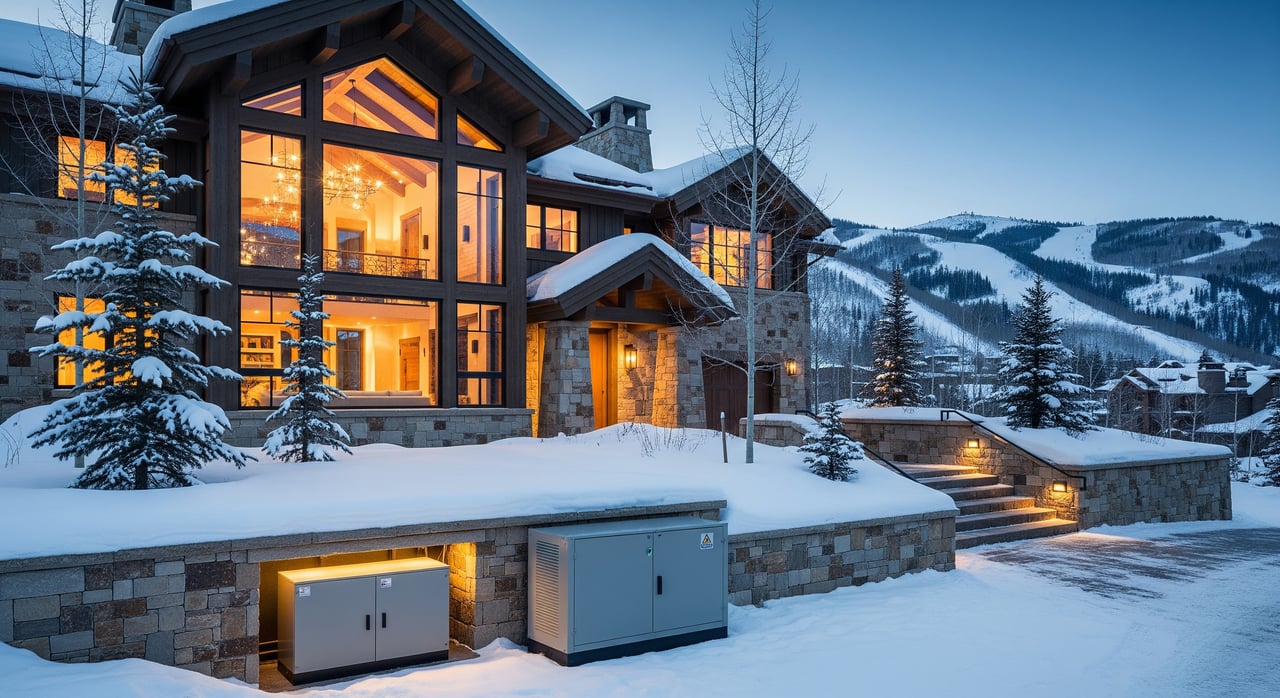
What they are: Permanently installed units that start automatically and power critical circuits or your whole home. Common fuels are natural gas, propane, or diesel. Installed costs vary widely by size and site, with many projects landing in the several‑thousand‑dollar range per recent estimates.
Pros: Automatic, reliable, and capable of running heat and major loads if sized correctly. Natural gas units avoid refueling where service is available.
Cons: Higher upfront cost, professional installation, and permits required. If you run on propane or diesel, plan ahead for winter delivery and cold‑weather fuel performance.
Battery backup systems
What they are: Home batteries with an inverter that deliver instant, silent power to critical loads. Systems can stand alone or pair with rooftop solar. Typical sizes start around 5 to 15 kWh per unit, according to battery market overviews.
Pros: Quiet, zero local emissions, and low maintenance. Great for short outages and sensitive electronics. Installed costs vary, and many projects are quoted by usable kWh and inverter size.
Cons: Cold can reduce usable capacity and require thermal management. Expect some performance loss in very low temperatures, as noted in independent reporting on battery storage in winter conditions (see this overview). Multi‑day outages without solar recharge can drain batteries quickly.
Portable power stations
What they are: Small plug‑and‑play batteries that can run a fridge, lights, or devices for hours. They are renter‑friendly and simple to use.
Best for: Short outages and supplementing other options. They are not a whole‑home solution.
Hybrid systems
What they are: A battery handles immediate, quiet backup. A generator then recharges the battery or carries heavier loads during extended outages. This combination reduces fuel use and noise while improving multi‑day resilience. Work with an experienced installer to integrate and permit correctly.
Sizing the right system
- List critical loads: furnace or boiler controls, well pump, refrigerator/freezer, medical devices, lights, internet, and phone charging. Check appliance labels or ask an electrician for wattage. Basic sizing rules of thumb can help you scope options.
- Match option to need:
- Small portable generator: about 2 to 5 kW for a few circuits.
- Standby generator: 7 to 12 kW for essentials, 18 to 26+ kW for larger homes or central HVAC.
- Battery backup: 10 to 14 kWh can cover modest critical loads for a day. Heavy electric heat will shorten runtime.
- Plan for winter performance: account for cold impacts on batteries and fuel behavior. Size with margin for startup surges and continuous loads.
Permits, interconnection, and safety
Park City permits and inspections
Generator projects usually require electrical permits and may require operational fire permits. Park City’s Building Department outlines permit and inspection steps, including site plans and specification sheets. Start with the CityInspect portal and confirm final sign‑offs. Review the city’s permit guidance here: Park City Building Department.
Safe interconnection
Never backfeed your home by plugging a generator into a wall outlet. Install a transfer switch or a code‑compliant interlock so your system is isolated from utility lines. See this safety overview on preventing backfeed and using proper equipment from FLASH.
Carbon monoxide protection
CO poisoning spikes during winter outages when generators are placed too close to living spaces. Run combustion generators outside and away from windows and vents, and install battery‑backed CO detectors on every level and near bedrooms. Follow CDC safety guidance.
Fuel planning for winter
Propane stores well but requires delivery access. Gasoline degrades and needs stabilizer and rotation. Diesel may need winterized fuel or additives. Build a safe, legal storage plan and service schedule before storms arrive.
Budget, timing, and incentives
- Portable generators often range from about $500 to several thousand dollars depending on capacity and features, based on national averages.
- Installed standby generators, including pad, transfer switch, and labor, typically fall in the several‑thousand‑dollar range and can be higher for whole‑home systems. Site conditions and fuel connections drive the final price, per recent estimates.
- Residential batteries vary widely. Many systems are quoted by usable kWh and installation complexity, as summarized in battery market overviews. Get two to three local quotes.
Time‑sensitive policy note: The federal Residential Clean Energy Credit for residential solar and batteries is scheduled to end for expenditures made after December 31, 2025. Review the IRS page for the current status at the Residential Clean Energy Credit, and see legislative references on Congress.gov. If you plan to rely on tax credits, confirm timing with your installer and a tax professional.
Quick Park City checklist
- Define critical loads and prioritize must‑have circuits.
- Decide on your path: portable generator, standby generator, battery, or a hybrid.
- Get local quotes and ask about cold‑weather performance, fuel planning, and maintenance.
- Confirm permits and inspections with the Park City Building Department.
- Install or replace CO detectors and test equipment before storm season.
- Sign up for county alerts through Summit County Emergency Management.
When you plan ahead, you protect your comfort, your property, and your peace of mind during Park City winters. If you are preparing a Park City home for sale or weighing a purchase with backup power needs, reach out to Cindy Corbin for discreet guidance on how resilience features can support your goals.
FAQs
What backup power option fits a Park City ski home used part‑time?
- A standby generator offers automatic protection when you are away. If you prefer quiet operation for short outages, a battery system can cover essentials, but plan for a hybrid if multi‑day resilience is important.
How do I safely power my furnace during an outage?
- Use a transfer switch or code‑compliant interlock to feed selected circuits from a generator and follow safety practices. Never run a generator indoors and install CO detectors per CDC guidance.
Do I need a permit for a standby generator in Park City?
- Yes, most installations require electrical permits and often an operational fire permit. Start with the city’s published process at the Park City Building Department.
Are batteries reliable in cold Park City winters?
- Modern systems include thermal management, but cold reduces capacity and runtime. Plan for derating in winter and consider a hybrid setup for longer outages, as noted in independent winter performance coverage.
What should I budget for a whole‑home solution?
- Many installed standby systems land in the several‑thousand‑dollar range and can be higher for large homes, per recent cost data. Batteries vary by size and complexity, so obtain local quotes and factor permits, pads, and maintenance into your plan.